CHAPEL HILL, N.C. — Four employees of a Chapel Hill bar have been charged following a North Carolina Alcohol Law Enforcement (ALE) investigation into a February crash in Harnett County that left three people dead and critically injured a fourth.
ALE officials said they launched the investigation on February 14 after the North Carolina State Highway Patrol reported that alcohol was believed to be a contributing factor in a head‑on collision involving a Toyota Camry and another vehicle. The driver of the second vehicle died at the scene, along with two passengers in the Camry. A fourth person remains hospitalized with life‑threatening injuries.
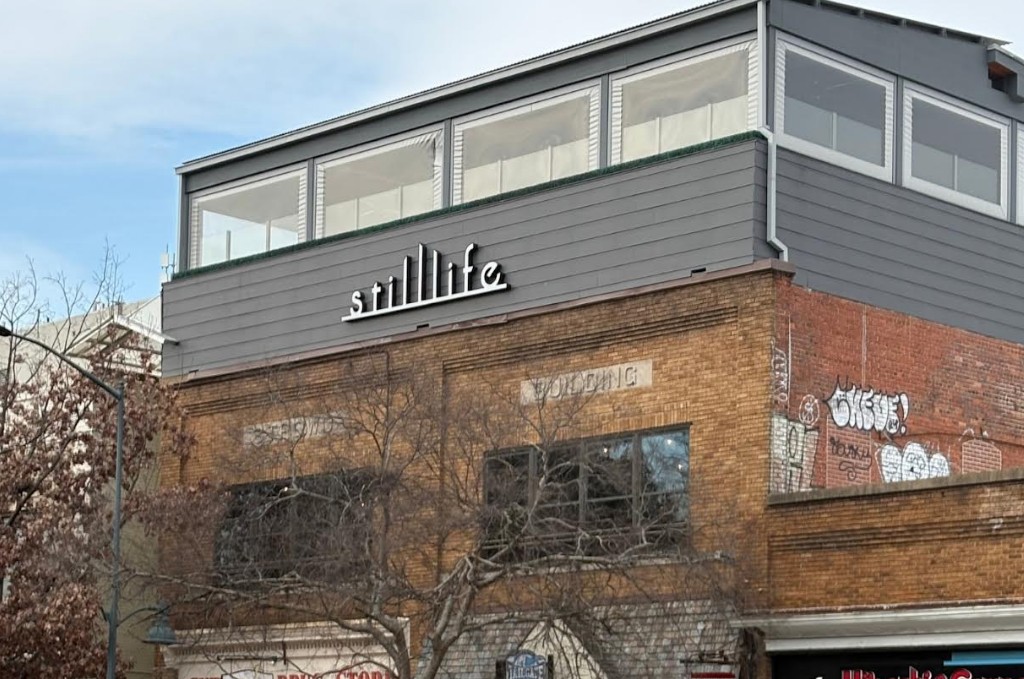
According to ALE, agents traced the source of the alcohol consumed by the Camry’s occupants to Still Life Chapel Hill, a bar located at 159 East Franklin Street. Investigators determined that all three individuals in the Camry had been served alcoholic beverages at the establishment prior to the crash — including at least one person who was under the legal drinking age.
On Wednesday, February 25, ALE obtained criminal summonses for four Still Life employees:
ALE noted that Still Life Chapel Hill has been the subject of previous investigations, including one in January 2024 following another deadly collision.
The agency will forward its findings to the North Carolina Alcoholic Beverage Control Commission, which will determine whether administrative penalties are warranted. Possible actions include fines, permit suspension, or revocation.
Subscribe to get the latest posts sent to your email.