By Donna King
Carolina Journal
Starting in 2027, a seismic shift will happen in North Carolina’s legislature, as Democrats take control of the NC House for the first time in 16 years, and the Senate either retains a slim Republican majority or flips to Democrat control. No doubt, Republicans and Democrats will disagree often this coming year about what government should and should not do.
However, they should be able to agree that North Carolinians deserve to see how government operates.
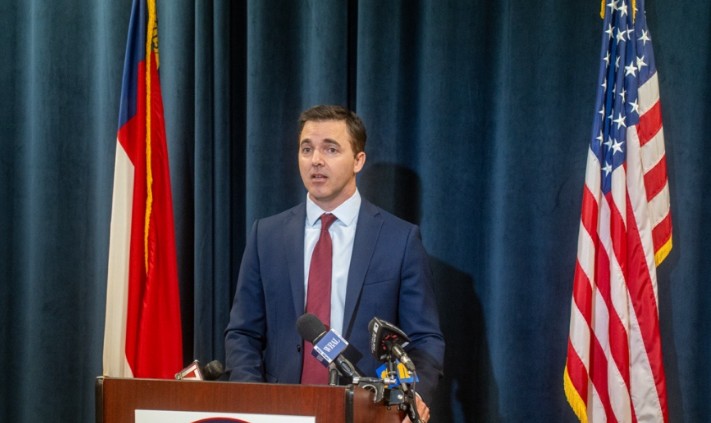
Modernizing the legislature with timely public records, accessible meetings, and a clear view of how decisions are made is overdue. The outgoing majority has an opportunity to enact these reforms before leaving power. If it does not, the incoming majority should make them a priority. In a press conference last week House Minority Leader Robert Reives, who is expected to become the next speaker, called for a more open budget process, robust committee deliberations, and keeping policy provisions out of the budget. Those ideas offer a welcome starting point for lasting transparency reforms.
North Carolinians deserve open government, regardless of which party controls the chamber. The John Locke Foundation has long supported these simple, practical measures for years, and members of both parties should welcome standards they can uphold in the majority and count on in the minority.
For example, give public records requests a meaningful shot clock. Current law requires copies “as promptly as possible,” without a uniform deadline. Instead, government should provide a substantive response within 30 calendar days and production of nonexempt records within 90 days of the original request. Any exceptional extension should require a written explanation and a firm completion date. Anyone close to government, or covering it, knows that the waiting game is real with public records as agencies often drag their feet until the documents are worthless. Carolina Journal is still waiting for records it requested from the Department of Health and Human Services during the Cooper administration’s COVID shutdowns.
Open up deliberations by closing the nonmajority meeting loophole so citizens can follow how government policy takes shape. Too often local governments hold successive small-group briefings, each involving fewer than a majority of members, to discuss public business outside public view. Lawmakers should make clear that officials cannot avoid open meetings requirements by dividing policy discussions into a series of smaller, private meetings. The reform should preserve ordinary conversations between officials but prevent organized efforts to evade transparency requirements. Watching the final vote provides an incomplete picture when the discussions shaping it happened behind closed doors.
Make online recordings accessible. North Carolinians should be able to follow their legislature whenever their schedule allows. The House already provides online archives of floor sessions, but access remains uneven: The legislative library directs people seeking Senate audio to the clerk’s office, while committee audio is available only for the current two-year legislative cycle and is supplied on a flash drive. Both chambers should record and publicly archive their floor proceedings and public committee meetings, including teleconferences, in an online collection searchable by date, committee, and bill number. Citizens deserve a lasting record of the questions lawmakers asked, the explanations they offered, and the commitments they made.
Budget transparency offers an especially clear opportunity to find common ground. In 2017, Democratic Rep. Verla Insko proposed requiring every special provision in the state budget to identify the legislator or legislators who requested it. Lawmakers should adopt that principle, “The Insko Rule,” and build on it. Publish spending requests, identify their sponsors and intended recipients, and allow meaningful public review before a vote. Ensure that appropriations subcommittees meet and pass their sections of the budget. While an open budget process and identifying an earmark sponsor doesn’t settle whether a project deserves your tax dollars, it does tell taxpayers who should explain and defend it.
Have lawmakers apply transparency to themselves. The 2023 budget amended GS 121-5(d1) to give lawmakers the discretion over whether their own records are public and whether to retain or dispose of them. The General Assembly should repeal that discretion and establish clear disclosure and retention requirements, with specific protections for legitimately confidential information.
If North Carolinians want the state legislature to turn a new page, these transparency measures modernize the body. Today everyone is accustomed to having information at their fingertips. When learning what their government is doing requires special requests, long waits, or a trip to Raleigh, those barriers deepen public distrust. The years of manually turning clocks back, backroom budget deals, and collusive lawsuit settlements created the current frustration with government. A real effort to fix that serves North Carolina’s citizenry. It’s bipartisan common ground worth acting on.
Donna King serves as editor in chief for the Carolina Journal and Executive Vice President of the John Locke Foundation
Subscribe to get the latest posts sent to your email.