Benson, Selma Among Communities With Equipment
RALEIGH – North Carolina has joined a federal lawsuit seeking to block the merger of two major playground equipment manufacturers, a deal state officials contend could result in higher prices for towns, schools, churches and parks.
The N.C. Attorney General’s Office said PlayPower and BCI Burke equipment can be found at playgrounds across North Carolina, including in Benson and Selma.
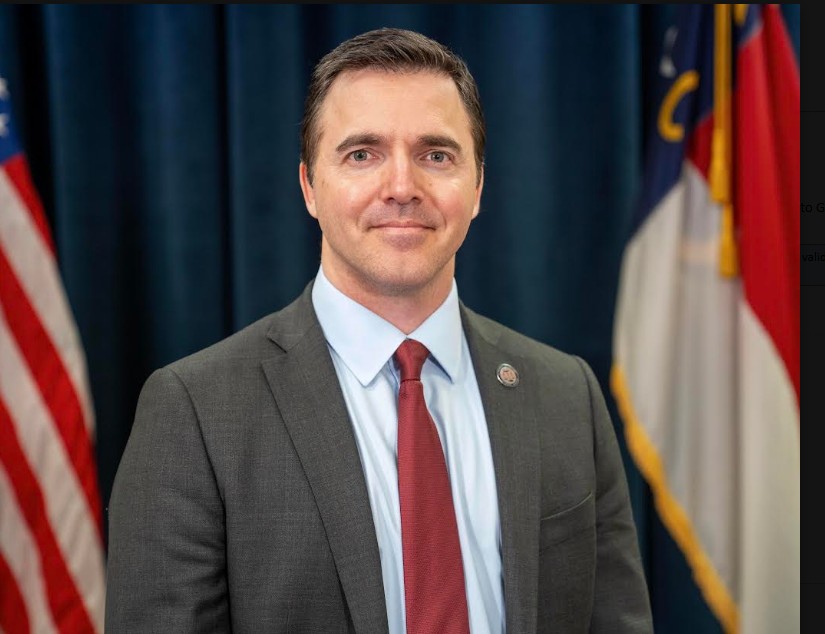
Attorney General Jeff Jackson joined the Federal Trade Commission and attorneys general from 11 other states in asking a federal court to stop PlayPower from acquiring rival BCI Burke.
The lawsuit alleges the acquisition would eliminate competition between two of the nation’s largest commercial outdoor playground equipment manufacturers and could lead to higher prices, reduced quality and less innovation.
“Playgrounds give our kids a safe place to play, try new things, embrace the outdoors, and make friends,” Jackson said. “When companies break antitrust laws, families suffer. We’ve fought antitrust cases to help lower rent, make eggs and meat more affordable, and protect ticket costs. Now we’re fighting this case to make sure kids have affordable playgrounds in their neighborhoods.”
According to the federal complaint, five companies — including PlayPower and Burke — own more than a dozen playground equipment brands and account for an estimated 85% to 90% of the U.S. commercial outdoor playground equipment market.
PlayPower already owns the Miracle Recreation Equipment Company, Little Tikes Commercial and Playworld Systems brands.
The proposed acquisition would add Burke to that portfolio.
The lawsuit alleges PlayPower and Burke currently compete for business from municipalities, schools, churches, parks departments and other organizations that purchase commercial playground equipment.
Those projects can range from tens of thousands of dollars to more than $1 million.
State and federal officials contend eliminating competition between the companies could particularly affect local governments and school systems because many playground projects are funded with taxpayer dollars.
Higher equipment costs, they argue, could result in communities building fewer playgrounds, delaying replacement or upgrades, or spending more public money on projects.
The lawsuit was filed in federal court in California and seeks a permanent injunction blocking the acquisition.
North Carolina joined the FTC and attorneys general from Arizona, California, Colorado, Illinois, Nevada, Ohio, Pennsylvania, Tennessee, Texas, Washington and Wisconsin in challenging the deal.
Subscribe to get the latest posts sent to your email.