




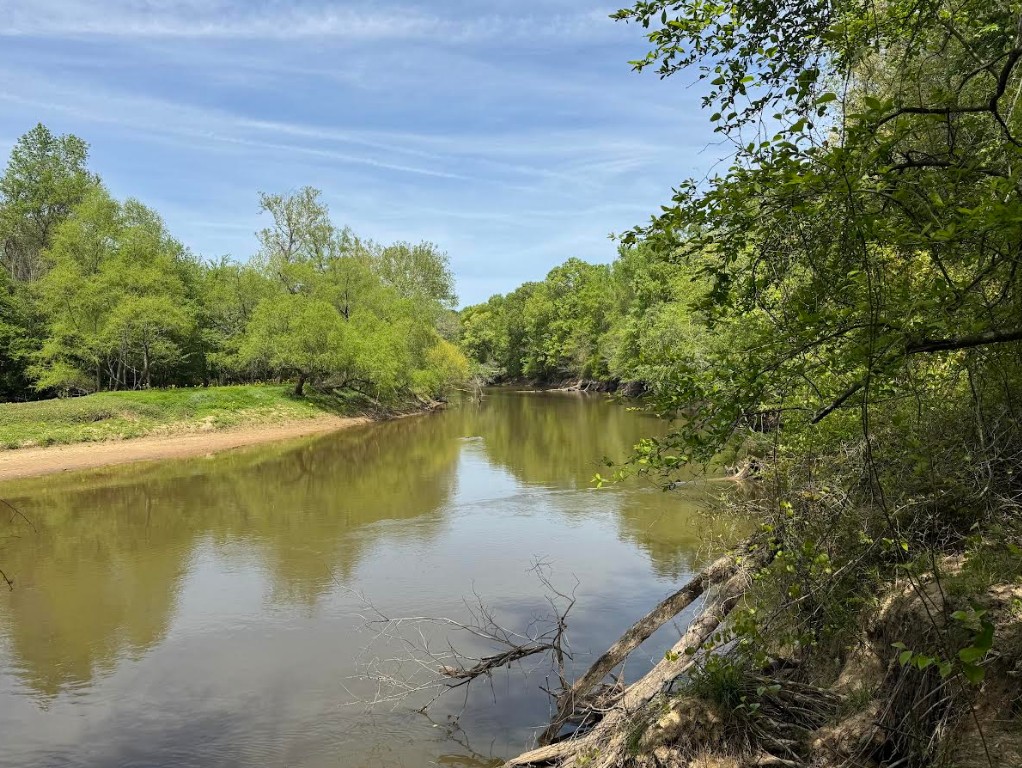
SMITHFIELD, N.C. — One of the largest remaining stretches of undeveloped wilderness along the Neuse River in Johnston County has been permanently protected from future development through a partnership involving Johnston County, the Triangle Land Conservancy and several state and federal funding sources.
Triangle Land Conservancy recently completed the purchase of more than 800 acres in eastern Johnston County known as Neuse Islands Wilderness. The $4.6 million acquisition includes mature forests, wetlands, wildlife habitat and historically significant sites that conservationists say are among the most ecologically valuable landscapes remaining in the region.
Johnston County contributed approximately $1.06 million toward the purchase.
County commissioners approved the funding to help ensure the property remains protected indefinitely rather than being developed as Johnston County continues to experience rapid population growth.
“This project represents an extraordinary investment in Johnston County’s natural heritage,” Board of Commissioners Chairman Patrick Harris said. “Protecting these lands preserves wildlife habitat, improves water quality, helps reduce flooding, and ensures future generations will be able to enjoy and learn from this unique landscape.”
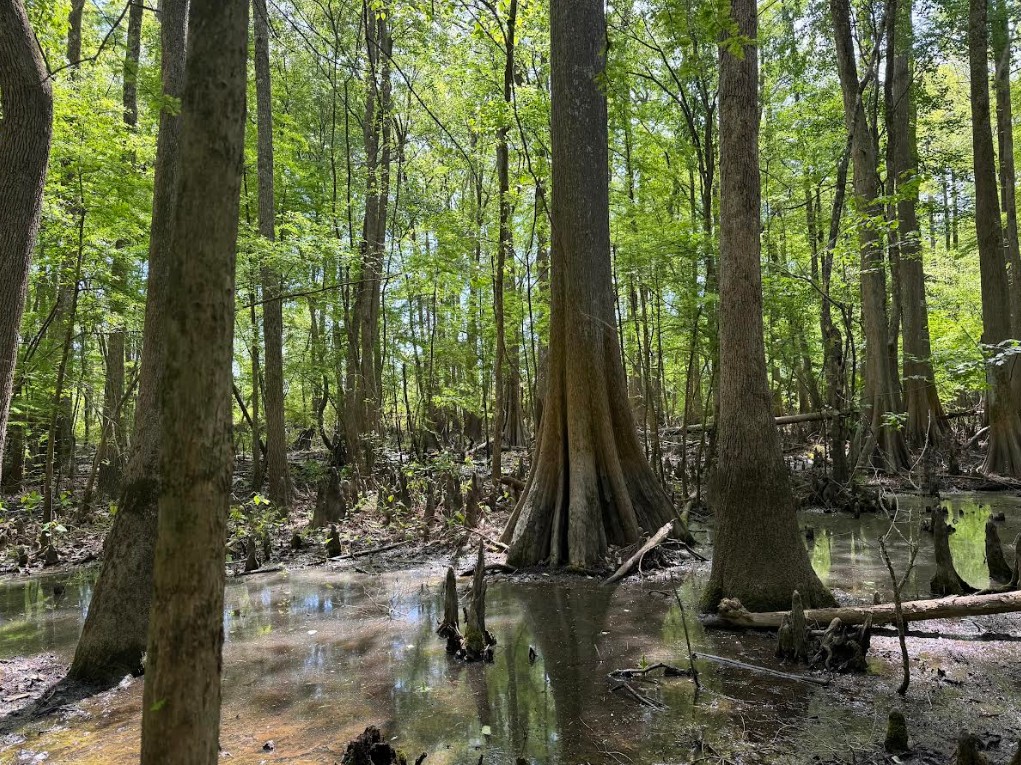
Because of its environmental significance, the North Carolina Natural Heritage Program has added the entire property to the Richardson Bridge Bottomlands Natural Area.
The tract lies within the Neuse River Lowgrounds, one of the largest remaining wilderness corridors in the Triangle region. Much of the property floods during high water, leaving elevated ridges that form “islands” scattered throughout the forest — giving the preserve its name.
The landscape includes bottomland hardwood forests, cypress swamps, wetlands, oxbow lakes, vernal pools and extensive stands of native rivercane. Conservation officials say many of the trees are more than a century old, while some towering cypress and hardwoods have stood along the Neuse River for more than 200 years.
“We can think of no better way to celebrate America’s 250th anniversary than to protect some of the forest that was there when our country was founded,” said Leigh Ann Hammerbacher, Triangle Land Conservancy’s Director of Conservation East.
Beyond its natural beauty, the property also tells part of Johnston County’s history.
Researchers have identified a historic Black cemetery, Native American archaeological deposits and evidence of rice cultivation dating back more than 200 years — discoveries considered unusual for this section of North Carolina. Triangle Land Conservancy has partnered with the Johnston County Heritage Center and local archaeologists to continue documenting and studying those historic resources.
The acquisition strengthens a growing network of protected lands along the Neuse River. The property sits about five miles downstream from Howell Woods Environmental Learning Center and the Brogden Bottomlands Natural Area. It also complements the recently protected 308-acre Rose Dairy property, which Triangle Land Conservancy transferred to Johnston County last month.
Funding for the purchase came from Johnston County, the North Carolina Land and Water Fund, private donors to Triangle Land Conservancy and the U.S. Air Force through a flood mitigation initiative designed to reduce downstream flooding along the Neuse River near Seymour Johnson Air Force Base in Goldsboro.
Because of the property’s sensitive habitats and archaeological resources, Neuse Islands Wilderness is not currently open for public access. Triangle Land Conservancy plans to offer guided hikes later this fall, allowing visitors a rare opportunity to experience one of Johnston County’s oldest forests while helping protect its fragile ecosystems.
Subscribe to get the latest posts sent to your email.

Comments are closed.





Gotta be great to have an extra million lying around, and WHO PAYS THE PROPERTY TAX NOW? Just love it when they spend our money. Should be able to charge em with grand larceny.