



CLAYTON, N.C. – For much of her childhood, reading did not feel like a joy to Mardia Jacobs. It felt confusing and frustrating.
Words would shift. Sentences would come out in the wrong order. Even when she read from left to right, her brain would sometimes flip what she saw.
At times, it was discouraging. She knew she was trying, but reading felt harder for her than it did for others. She did not always understand why. Even so, she kept going.
Then something changed. One book made a difference. When Jacobs finished Charlotte’s Web, she felt something she had not felt before. Pride. Connection. A sense that maybe she could do this after all. That moment gave her confidence and helped her see that reading could become something more.
“It was not just about finishing a book. It was the first time I felt like reading might be something I could enjoy, not something I had to fight through,” she said.
With support from teachers and encouragement from those around her, she kept going. What once felt like a struggle slowly became a skill. Over time, that skill grew into a passion.
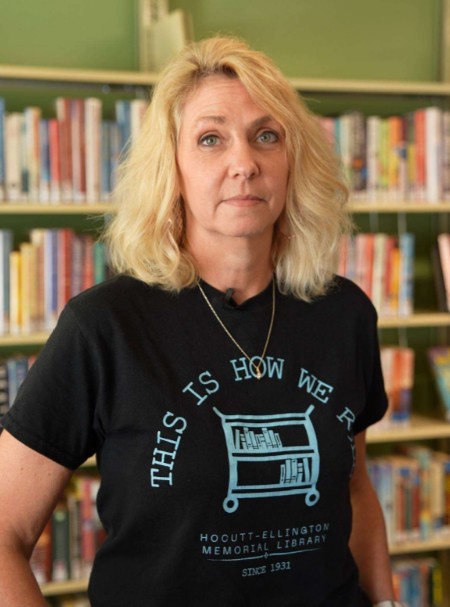
Today, Jacobs is a Library Associate at Hocutt-Ellington Memorial Library. She leads public book groups. She reads often and helps others find stories they love.
Because of her own journey, she understands how it feels to struggle. She works to create a welcoming space where every reader feels supported.
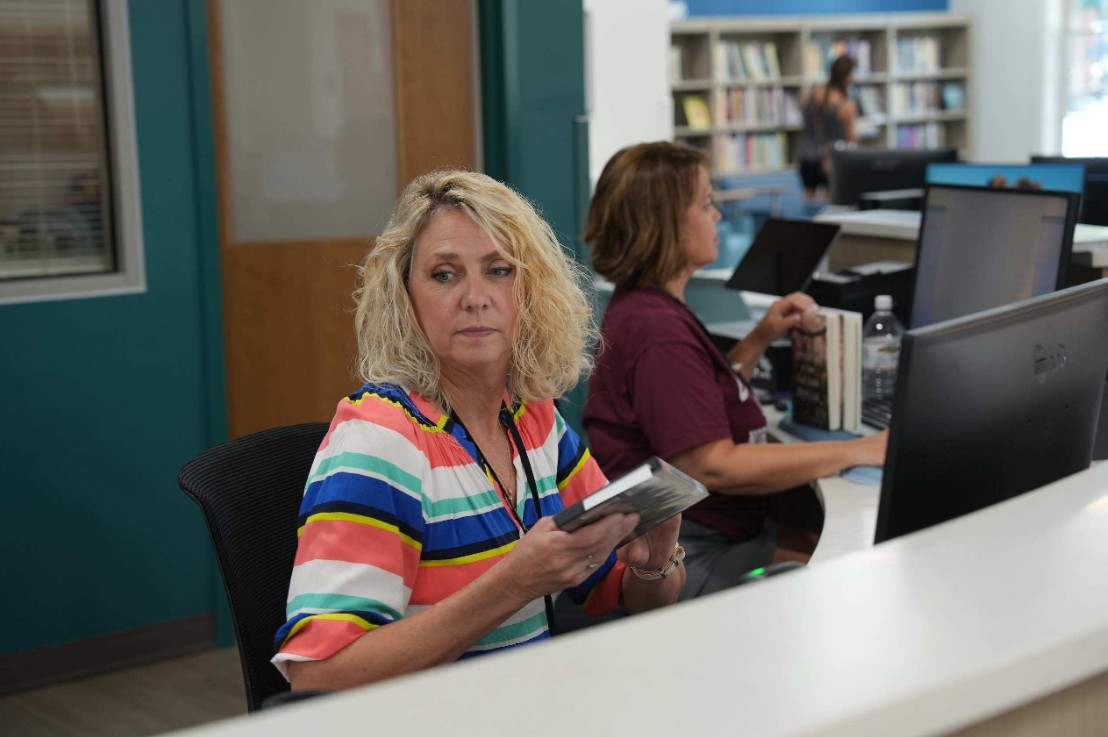
“I pay attention to the readers who hang back or seem unsure. I remember what that felt like, and I want them to know they belong here too,” she said.
Her journey is a reminder that dyslexia does not define what someone can achieve.
Jacobs understands how hard it can be, especially for young readers and their families. She remembers the frustration and the uncertainty that came with it.
“When you are struggling, it can feel like you are the only one. You are not. There is nothing wrong with how you learn. You just need the right support,” she said.
She also emphasizes the importance of encouragement.
“When someone believes in you, it changes how you see yourself. That is what helped me keep going,” she said.
Her advice to others is simple: “Keep going, even when it feels hard. You are capable, and you can learn in your own way.”
For parents and caregivers, Jacobs encourages patience and positivity. For children, she offers hope. Progress may take time, but growth is possible.
The library offers many resources to support readers with dyslexia and other learning differences. These tools are designed to make reading feel more manageable and less overwhelming.
Homework help guides and NC LIVE provide step by step support, which can help break down difficult material into smaller parts. This can make it easier to understand and build confidence over time.
The library’s nonfiction collection also includes materials that help families recognize signs of dyslexia and learn ways to support reading at home. These resources can help caregivers feel more prepared and less alone.
There are also tools that can improve the reading experience itself. Large print books can reduce visual strain and make words easier to follow. Some formats use extra spacing or specialized fonts, which can help readers stay focused and avoid mixing up letters or words.
Library staff are available to help each person find what works best for them. Every reader is different, and the right tools can make a meaningful difference.
Jacobs’s story is one of perseverance, growth, and love for learning. It is also a message to anyone facing similar challenges.
“You are not alone,” she said. “With time, support, and practice, reading can open doors.”
Subscribe to get the latest posts sent to your email.

Comments are closed.


Good for her! I’ll look forward to seeing her in the newly redone library